Understanding the Remodeling Process
What is Remodeling?
Remodeling is the process of altering, upgrading, or enhancing the functionality and aesthetics of a living space. It is much more than simple home repairs; remodeling can involve major overhauls or subtle updates, depending on the homeowner's desires and needs. Whether it’s creating an open floor plan, updating outdated fixtures, or entirely reconstructing a room, this transformative process requires careful planning and execution. Homeowners often embark on remodeling projects to increase home value, improve usability, or refresh the ambiance of their surroundings. With the growing trends in remodeling, understanding the full scope of the process is essential.
Key Stages of Remodeling
Understanding the stages of remodeling can help manage expectations and streamline the workflow. Key stages typically include:
- Planning: This initial phase involves setting objectives, discussing ideas, forming a budget, and selecting professionals.
- Design: Working with designers or architects, this phase focuses on visualizing how the space will look and function post-remodel.
- Documentation: Securing permits and ensuring compliance with local building codes is essential at this stage.
- Construction: This is where the actual work happens. It includes demolishing existing structures, installing new materials, and finishing touches.
- Final Inspection: Ensuring that everything is built to specification and safe for use wraps up the project.
Common Misconceptions About Remodeling
Despite its benefits, several misconceptions can cloud the remodeling process:
- It’s always too expensive: While remodeling can be costly, careful planning can lead to budget-friendly solutions.
- DIY is always cheaper: Although DIY can save labor costs, mistakes can lead to increased expenses if professional help is needed later.
- All projects increase home value: Some remodels may not return the investment, depending on market trends and execution.
Preparing for Your Remodeling Journey
Setting a Realistic Budget for Remodeling
Establishing a budget is perhaps the most crucial step in any remodeling journey. Start by evaluating your finances, encompassing savings, credits, and loans. The budget should account for both expected and unforeseen costs, allowing a contingency of about 10-20%. It’s also wise to consider the return on investment for various remodeling efforts. Prioritize the aspects that hold the most value for you, be it kitchen upgrades or bathroom renovations, to streamline spending.
Identifying Your Needs and Goals
Before starting, homeowners must define their priorities. A thorough assessment of your current living space will help identify specific needs—whether it’s more storage, better lighting, or enhanced functionality. Documenting these needs allows for a clear picture of what the end result should deliver, ensuring that every investment is targeted towards meeting essential goals.
Choosing the Right Professionals for Remodeling
Selecting skilled professionals is pivotal in achieving desired results. Research potential contractors, architects, and designers. Review portfolios, read customer testimonials, and verify licenses and insurance. Setting up meetings with multiple candidates can help gauge their compatibility with your vision. Trust and communication are fundamental, so select partners whose expertise aligns with your specific project needs.
Designing Your Dream Space
Trends in Remodeling Design
Keeping abreast of the latest trends in remodeling design can inform decisions and inspire creativity. Popular design elements include:
- Open Floor Plans: This trend promotes connectivity and spaciousness, often enhancing natural light.
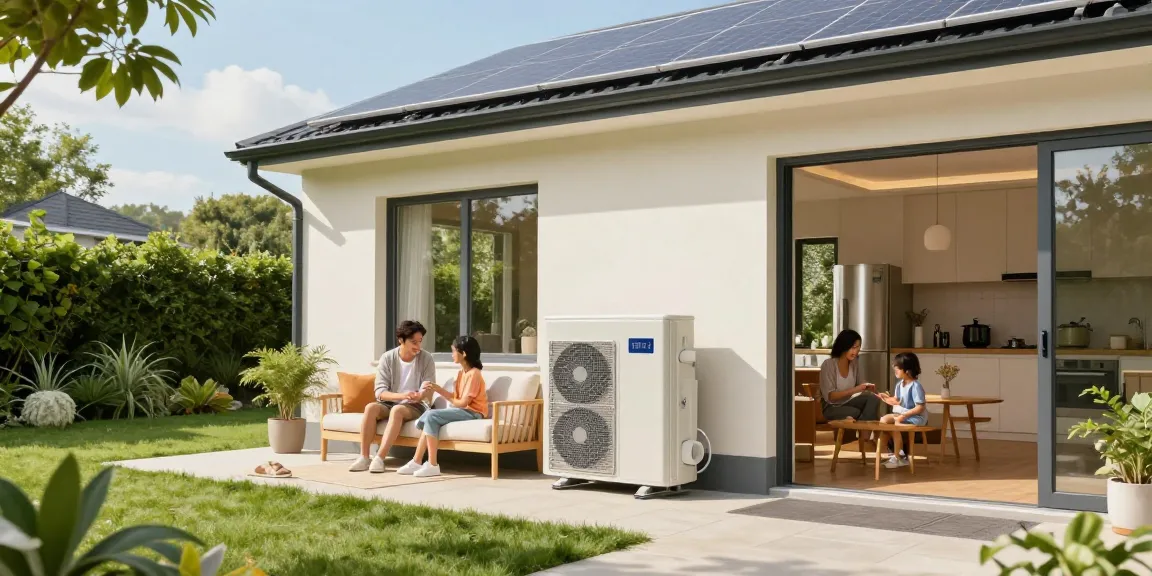
- Eco-Friendly Materials: Sustainable practices are increasingly important, with reclaimed wood and energy-efficient appliances gaining popularity.
- Smart Home Technology: Incorporating technology to control lighting, security, and temperature optimizes convenience and energy efficiency.
Maximizing Space in Your Remodeling Project
Efficiency in space utilization is a critical element of successful remodeling. Homeowners should consider multifunctional furniture, innovative storage solutions, and clever layouts. Built-in shelves, under-bed storage, and installing hooks or pegboards can significantly enhance the usability of smaller spaces. Creative design also includes thinking vertically; using higher shelves and wall-mounted solutions maximizes every inch.
Color Palettes and Materials That Enhance Remodeling
The colors and materials selected can dramatically affect the overall feel of a space. Neutral color palettes create a soothing atmosphere and are versatile for various styles. Conversely, bold colors can make a strong statement. Choosing durable, high-quality materials is just as important for longevity. Natural stones, hardwoods, and sustainable composites often deliver both beauty and resilience.
Executing Your Remodeling Plan
Timeline: Expectations During Remodeling
Every remodeling project comes with its timeline, which can vary based on complexity and scope. A straightforward bathroom update could take a few weeks, while a full-scale kitchen remodel might extend to several months. Communicating clear timelines with contractors ensures everyone is on the same page and can lead to smoother execution and timely completion.
Managing Communication with Contractors
Effective communication is essential in maintaining a productive working relationship with contractors. Frequent check-ins offer opportunities to address any concerns and provide updates on progress. Using project management tools can streamline communication and accountability, ensuring tasks remain organized and any issues can be promptly addressed.
Staying on Track: Overcoming Challenges in Remodeling
Challenges often arise during remodeling, whether they be budget overruns, delays due to supply chain issues, or unforeseen structural problems. Building flexibility into your timeline and maintaining an open line of communication with your contractors can help navigate these obstacles. Staying committed to your vision and adapting when necessary leads to successful outcomes, even amidst challenges.
Post-Remodeling: Maintenance and Improvements
Maintaining Your Newly Remodeled Space
Once the dust settles, maintaining the integrity and beauty of your remodeled space becomes the priority. Regular cleaning routines, trend adaptation, and preventative measures like seasonal inspections ensure your investments continue to pay off. Establish a maintenance schedule that includes checking plumbing, electrical systems, and structure to prevent minor issues from escalating into major problems.
Future Remodeling Considerations
Just because remodeling is complete doesn’t mean the work is done. Homeowners should keep an eye out for evolving needs and available new technologies that could enhance functionality and aesthetics. As seasons change and trends evolve, being open to future updates can keep your home feeling fresh and well-maintained over time.
Feedback and Reflecting on Your Remodeling Experience
After completing a project, reflecting on the process and outcomes is valuable. Collecting feedback from family members about their satisfaction with the changes helps identify areas for improvement. Additionally, documenting the experience can assist others who may be considering similar projects by offering insights into what worked well and what didn’t.
FAQs About Remodeling
What is the average cost of remodeling a kitchen?
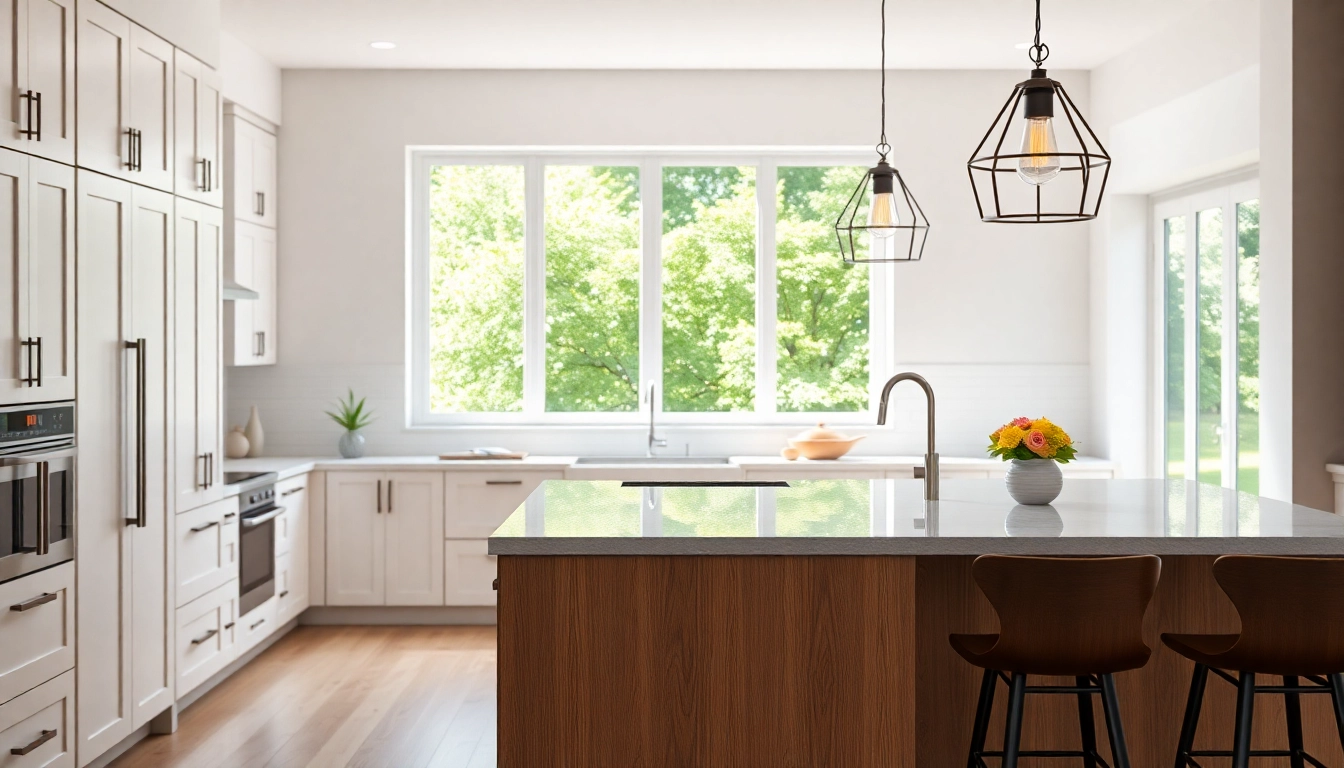
The average kitchen remodeling cost ranges from $12,000 to $35,000, depending on your choices.
How long does a typical remodeling project take?
Most remodeling projects can take anywhere from a few weeks to several months, depending on the scope.
Do I need to hire a designer for remodeling?
While it’s not mandatory, hiring a designer can enhance the effectiveness and aesthetics of your remodeling.
Is it worth investing in remodeling?
A well-planned remodeling project can increase your home’s value significantly, making it a worthwhile investment.
What are the most popular trends in remodeling?
Open floor plans, smart technology, and eco-friendly materials are currently top trends in remodeling design.