


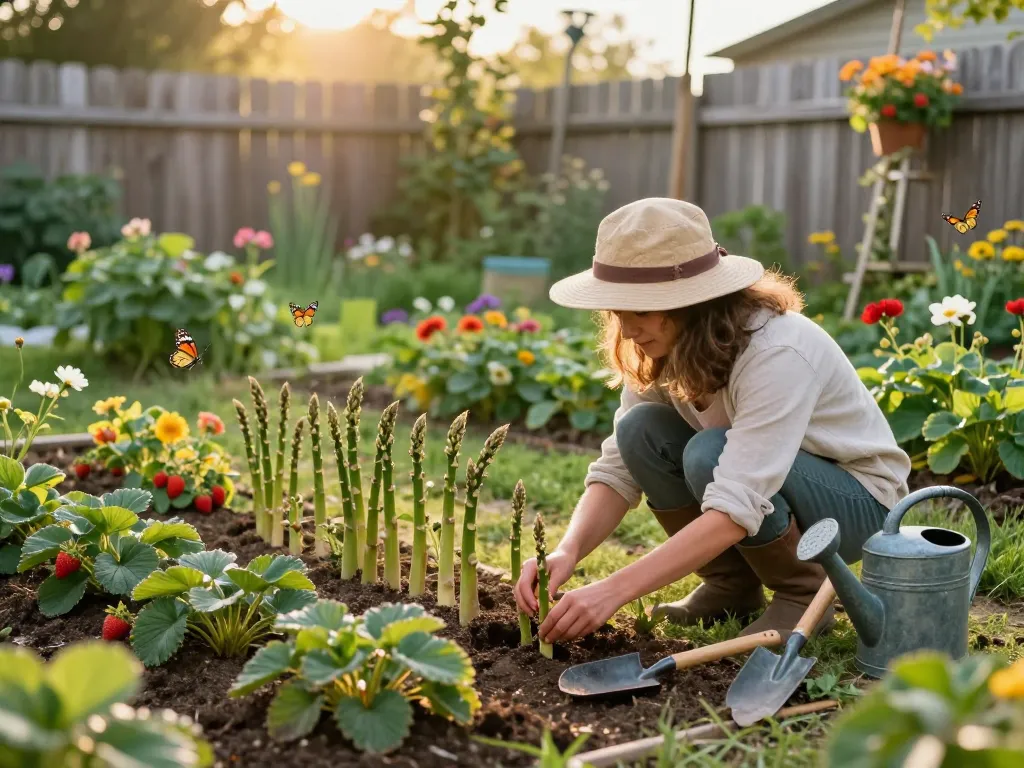
Understanding Asparagus Plant Varieties
Asparagus, often referred to as the „queen of vegetables,“ is a staple in many gardens due to its unique flavor and health benefits. When it comes to spargel pflanzen kaufen, it’s essential to understand the different varieties available to cultivate the best possible crop. Each variety has its own unique characteristics that can influence growth, yield, and taste, making it imperative to choose wisely based on your garden conditions and personal preferences.
Different Types of Spargel Pflanzen
There are primarily three types of asparagus varieties to consider for your garden:
- Green Asparagus: This is the most common variety, known for its vibrant color and earthy flavor. It requires plenty of sunlight and is known for its high vitamin content.
- White Asparagus: Grown under soil to prevent photosynthesis, this variety has a milder, delicate taste. It is a delicacy in many cuisines, particularly in Europe.
- Purple Asparagus: This variety has a sweeter flavor and is rich in antioxidants. Its striking color can add visual appeal to your garden.
Choosing Between Green and White Varieties
The choice between green and white asparagus often comes down to personal preference and culinary use. Green asparagus tends to be easier to grow, while white asparagus, although requiring more meticulous care, offers a unique taste. Consider what you enjoy eating and the conditions of your garden before making your selection.
Characteristics of High-Yield Hybrid Plants
High-yield hybrid varieties are designed to provide improved resistance to pests and diseases, faster growth rates, and greater yield potential. These hybrids can typically offer greater returns on your gardening investment, making them a popular choice for commercial growers and home gardeners alike.
Preparing Your Garden for Asparagus Cultivation
Before planting, it’s crucial to prepare your garden properly. This involves understanding the soil requirements, ensuring adequate sunlight, and having the right tools on hand to ensure successful cultivation.
Soil Preparation Techniques for Optimal Growth
Asparagus thrives in well-drained, sandy loam soils rich in organic matter. Start by testing your soil’s pH; it should ideally be between 7.0 and 7.5. Amending the soil with compost or well-rotted manure can enhance fertility, providing the necessary nutrients for healthy plant growth. Additionally, deep tilling the soil can help alleviate compaction, allowing roots to grow freely.
Sunlight and Water Requirements
Asparagus plants require full sun exposure for at least six to eight hours a day to produce vigorous growth. Watering should be consistent, particularly during the first few years of growth; however, be cautious of over-watering, as asparagus is sensitive to soggy soil conditions.
Essential Gardening Tools for Spargel Pflanzen Kaufen
Having the right tools can make a significant difference in your asparagus cultivation success. Essential tools include:
- Garden Fork: Useful for loosening soil.
- Hoe: For weeding and cultivating soil.
- Spade: Important for digging and planting.
- Watering Can or Hose: To ensure adequate moisture.
- Mulching Material: Helps retain soil moisture and suppress weeds.
Planting Techniques and Best Practices
Proper planting techniques are vital for establishing a healthy asparagus bed. Timing, spacing, and depth are all critical factors to consider when planting.
Step-by-Step Guide to Planting Asparagus
To plant asparagus, follow these steps:
- Prepare the planting area by digging trenches about 12 inches deep.
- Spread a layer of compost or well-rotted manure at the bottom of the trench.
- Place asparagus crowns in the trench, spaced about 18-24 inches apart.
- Cover the crowns with 2 inches of soil and water thoroughly.
- Gradually fill the trench with soil as the plants grow.
Spacing and Depth Considerations for Healthy Growth
Proper spacing is key to allowing each plant to grow to its full potential. Crowns should be planted at a depth of about 6 inches with 18 inches between each crown. This spacing reduces competition for nutrients and sunlight.
Common Mistakes to Avoid When Planting
Avoid planting too early in the spring when the ground is still cold, as this can stunt growth. Additionally, do not rush to harvest in the first couple of years; giving your plants time to establish roots will lead to better yields in the long run.
Caring for Your Asparagus Plants Throughout the Season
Once your asparagus is planted, ongoing care is essential to maintain plant health and productivity. This includes proper watering, fertilization, pest control, and harvesting techniques.
Watering and Fertilization Techniques
Water asparagus plants regularly, especially during dry spells, ensuring the soil remains consistently moist but not waterlogged. Fertilize with a balanced fertilizer in early spring when the first shoots appear, and again after the harvest period to promote healthy growth for the next year.
Pest Control and Disease Management Strategies
Be vigilant for pests such as asparagus beetles and offer protection through organic pesticides or manual removal. Additionally, practice crop rotation and good garden hygiene to avoid diseases such as rust. This can significantly enhance the longevity of your asparagus bed.
Harvesting Tips for Maximum Yield
Harvesting should commence in the third year after planting. Cut stalks when they are 6-8 inches tall, ensuring you leave enough stalks for the plant to continue photosynthesis. This careful harvesting helps maintain plant health and promotes future yields.
Future Trends in Asparagus Cultivation
As we look toward 2026, innovations in asparagus cultivation are evolving, focusing on sustainable practices and improved varieties.
Innovative Cultivation Methods for 2026
Emerging technologies such as precision farming and hydroponic systems are making asparagus cultivation more efficient. These methods help optimize resource use, leading to better crop yields while minimizing environmental impact.
Organic Farming Practices to Implement
Organic farming is gaining traction among asparagus growers. Utilizing natural pest control methods, organic fertilizers, and sustainable land management practices supports not only plant health but also ecological balance.
Market Demand and Sustainability Insights for Asparagus
With an increasing consumer preference for fresh, locally grown produce, the demand for asparagus is expected to rise. Growers who implement sustainable practices will likely see enhanced marketability and consumer loyalty.
What Are the Benefits of Planting Asparagus?
Aside from its culinary benefits, asparagus is known for its rich nutrient profile, being high in vitamins A, C, E, and K, as well as fiber. As a perennial vegetable, once established, it offers years of harvest with minimal effort.
How Do You Choose the Best Asparagus Varieties?
Choosing the right variety depends on your local climate, soil conditions, and personal taste preferences. Research different types and consult local gardening resources or experts to make informed decisions.
When Is the Ideal Time to Plant Asparagus?
The best time to plant asparagus is early spring, typically between March and April, when soil temperatures are consistently above 10°C (50°F). This timing helps ensure successful germination and growth.
What Tools Are Essential for Growing Asparagus?
Essential tools include a shovel for planting, a watering can or hose for irrigation, and mulch for moisture retention. Having these tools readily available will ease the process of growing asparagus.
How Long Does It Take for Asparagus to Grow?
Asparagus is a long-term investment; it generally takes about 3 years for plants to mature enough for harvest. However, with proper care, they can produce for up to 20 years.