
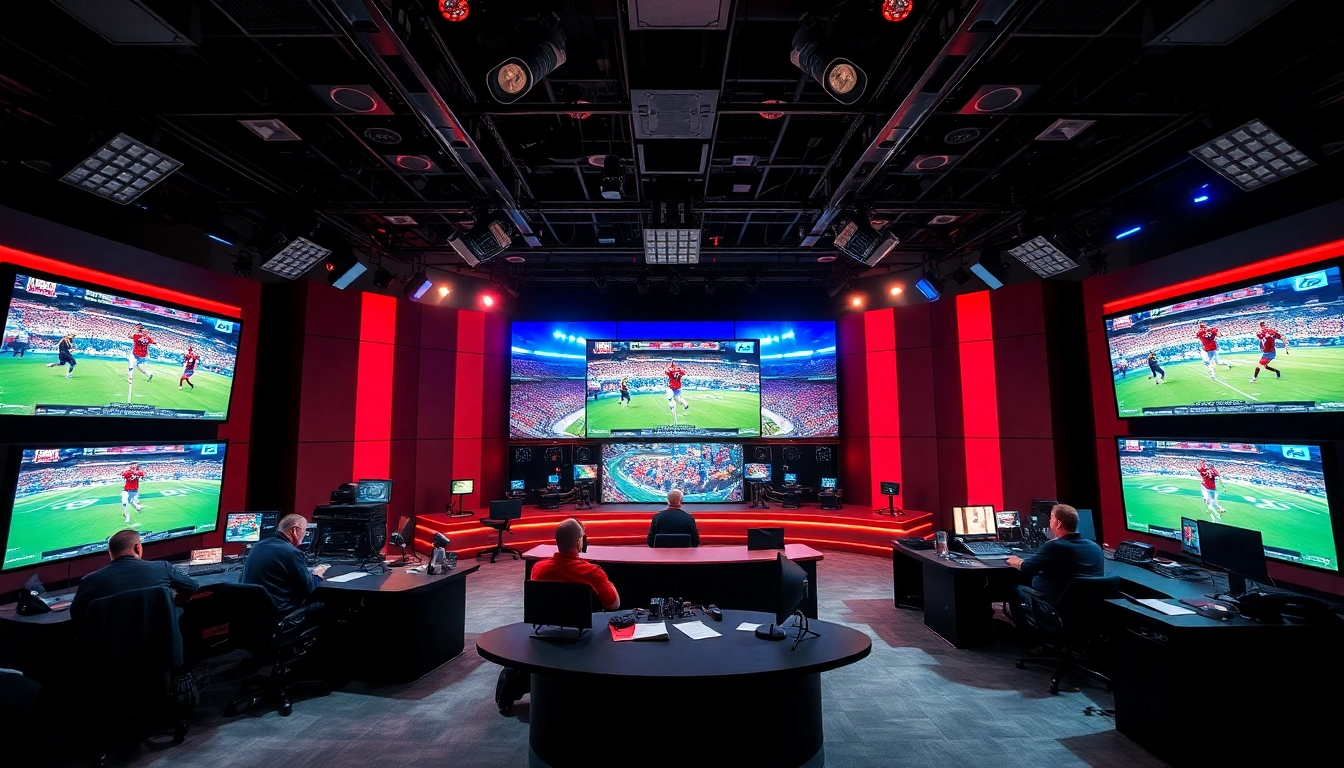
Understanding the Basics of Sports Broadcasting
What is Sports Broadcasting?
Sports broadcasting refers to the distribution of sports content through various media channels, including television, radio, and digital platforms. This field encompasses live game coverage, highlights, commentary, and analysis, engaging fans through diverse formats. Sports Broadcasting serves as an essential bridge between events and audiences, facilitating real-time engagement and fostering a sense of community among fans.
The Evolution of Sports Broadcasting
The landscape of sports broadcasting has transformed significantly over the decades. Beginning with radio broadcasts in the early 20th century, the industry rapidly evolved with the advent of television in the 1950s. This not only changed how audiences consumed sports but also expanded the reach of sporting events far beyond local markets. Today, streaming services and social media platforms have further revolutionized the field, allowing for greater interactivity and accessibility for fans worldwide. The evolution continues as technologies like 4K broadcasting and virtual reality are integrated into live sports experiences.
Key Roles in Sports Broadcasting Teams
Within a sports broadcasting team, various roles contribute to delivering high-quality content. Key positions include:
- Producers: Oversee the production process and make decisions regarding content and broadcast flow.
- Commentators: Provide live commentary and insights during events, enhancing viewers' understanding and enjoyment.
- Cameramen: Capture dynamic game footage, focusing on critical moments to illuminate the action for viewers.
- Editors: Compile post-game highlights and ensure the final content is polished and ready for broadcasting.
Tech Tools for Effective Sports Broadcasting
Essential Equipment for Sports Broadcasting
High-quality sports broadcasting requires robust equipment. Key tools include:
- Cameras: High-definition cameras support capturing detailed shots, essential for engaging visuals.
- Audio Equipment: Microphones, soundboards, and mixers ensure clear commentary and crowd sounds.
- Broadcast Trucks: Mobile broadcasting units allow for on-site production of live events.
- Graphics Systems: Tools for creating real-time graphics and stats enhance viewer experience on-screen.
Software Solutions for Enhanced Broadcasting
In addition to hardware, software plays a crucial role in modern sports broadcasting. Solutions like live streaming platforms, content management systems, and analytics tools empower broadcasters. These technologies facilitate seamless integration of various media, allowing broadcasters to deliver compelling and informative content.
Innovations Shaping the Future of Sports Broadcasting
The future of sports broadcasting is being shaped by several key innovations, including:
- Augmented Reality (AR): Integrates digital elements into the real-world environment, enhancing viewer engagement.
- Artificial Intelligence (AI): Powers personalized content delivery, improving how fans experience sports.
- 360-degree Video: Offers immersive viewing experiences for audiences, enabling them to feel part of the action.
Creating Engaging Content in Sports Broadcasting
Storytelling Techniques for Sports Broadcasters
Effective storytelling is essential in sports broadcasting. Broadcasters should focus on three key techniques:
- Character Development: Highlighting the athletes’ personalities and journeys creates relatable narratives.
- Conflict and Resolution: Presenting challenges faced during games and their outcomes adds tension and drama.
- Emotional Engagement: Tapping into fans' emotions helps forge a connection between them and the sport.
Incorporating Analytics and Stats into Broadcasts
In today's data-driven world, integrating statistics into broadcasts has become commonplace. Broadcasters can enhance their storytelling by presenting relevant analytics that provide deeper insights into gameplay, player performance, and tactical strategies. By utilizing tools that visualize data effectively, broadcasters can maintain viewer interest and elevate the overall experience.
Audience Engagement Strategies
Engaging audiences in sports broadcasting goes beyond live coverage. Strategies include:
- Interactive Content: Incorporating polls, social media interactions, and live Q&A sessions enhances viewer participation.
- Behind-the-Scenes Access: Offering glimpses into team practices and athlete preparation allows fans to connect on a personal level.
- Regular Updates: Keeping audiences informed about upcoming events and changes fosters continuous engagement.
Navigating Challenges in Sports Broadcasting
Handling Unexpected Situations Live
Live sports broadcasting comes with its unique challenges. Inclement weather, equipment failures, or unexpected events can disrupt planned content. Successful broadcasters prepare with contingency plans, maintaining flexibility and quick thinking to adapt resources and keep their audience informed and engaged.
Ensuring Compliance with Regulations
Sports broadcasters must navigate various regulatory frameworks, including copyright law and broadcasting rights. Understanding these regulations allows teams to avoid legal pitfalls. Regular training can keep broadcasters abreast of changes in laws, ensuring compliance in their broadcasts.
Adapting to Changing Audience Preferences
As audience preferences shift, sports broadcasters must remain agile. Monitoring trends in viewer behavior and feedback can help inform adjustments in content delivery and presentation styles. Offering varied formats, such as short highlight reels or longer in-depth analyses, caters to different audience segments effectively.
Measuring Success in Sports Broadcasting
Key Performance Metrics for Broadcasters
Measuring success involves analyzing various performance metrics, such as:
- Viewership Numbers: Tracking the audience size during broadcasts is critical for assessing market reach.
- Engagement Rates: Monitoring how audiences interact with content indicates effectiveness and relevance.
- Social Media Interactions: Gauging likes, shares, and comments helps to understand audience sentiment.
Feedback Mechanisms for Continuous Improvement
Implementing feedback mechanisms is essential for growth. Surveys, comment sections, and audience analytics can help broadcasters assess performance and identify areas for improvement. Regular reviews based on these insights can lead to the adaptation of successful strategies and the introduction of fresh ideas.
Case Studies: Successful Sports Broadcasts
Examining successful case studies provides invaluable insights. By analyzing broadcasts known for high engagement and viewership, such as major contests or unique sports events, broadcasters can extract lessons on creativity, storytelling, and audience connection that can be applied to future productions.
Frequently Asked Questions
What is the significance of Sports Broadcasting?
Sports Broadcasting connects fans with live events, enhances their viewing experience, and generates substantial revenue for sports organizations.
How has technology impacted Sports Broadcasting?
Technology has transformed Sports Broadcasting through advancements in streaming, analytics, and augmented reality, enhancing viewer engagement and accessibility.
What are common challenges in live Sports Broadcasting?
Common challenges include handling technical difficulties, ensuring compliance with regulations, and responding to unexpected events during broadcasts.
How can audience engagement be maximized in Sports Broadcasting?
Maximizing audience engagement involves using interactive content, behind-the-scenes features, and soliciting viewer feedback to foster connection.
What metrics are essential to evaluate success in Sports Broadcasting?
Essential metrics include viewership numbers, audience engagement rates, and feedback from social media platforms to assess impactful strategies.