Understanding Wärmepumpen: Basics You Need to Know
As the demand for energy-efficient heating solutions continues to rise, many homeowners are exploring options to reduce their environmental impact while lowering heating costs. A popular choice among these options is the wärmepumpe, a device that harnesses energy from the environment to efficiently heat (and cool) homes. Understanding the fundamentals of these systems is essential for anyone considering making a purchase. When exploring options, wärmepumpe kaufen provides comprehensive insights to help buyers make informed decisions.
What is a Wärmepumpe?
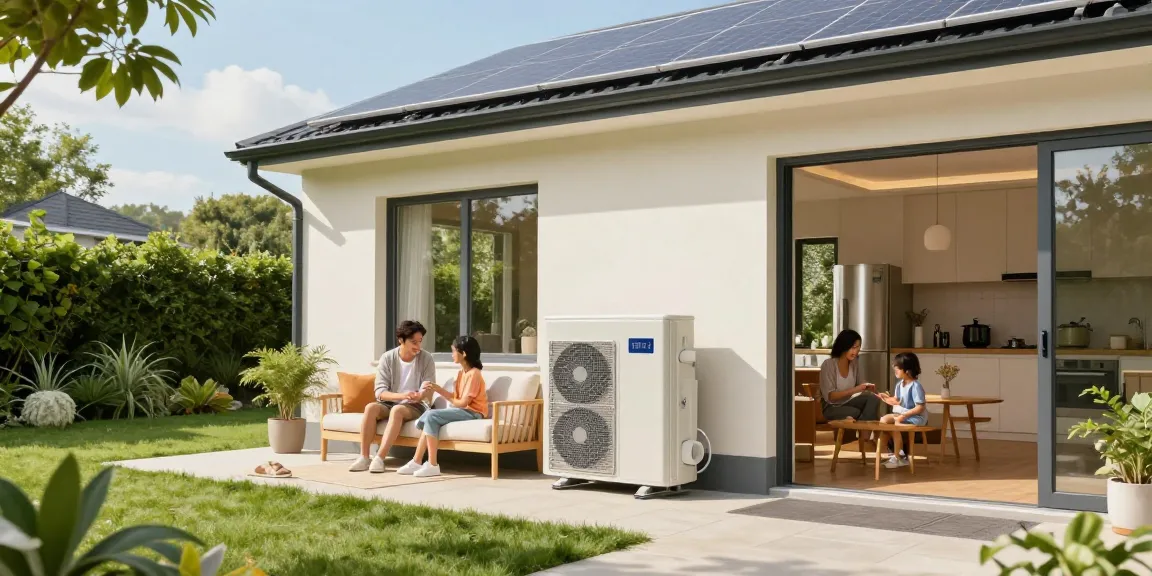
A Wärmepumpe, or heat pump, is a device that transfers thermal energy from one location to another, effectively providing heating or cooling for residential and commercial spaces. This technology operates on the principle of moving heat rather than generating it, which makes it significantly more energy-efficient compared to traditional heating systems. There are various types of Wärmepumpen, including air-source, ground-source (geothermal), and water-source pumps, each suited for different climates and applications.
How Does a Wärmepumpe Work?
The functionality of a Wärmepumpe is based on the refrigeration cycle, which involves three main components: the evaporator, the compressor, and the condenser. The process begins when the evaporator absorbs heat from the outside air, ground, or water, causing the refrigerant within it to evaporate into a gas. This gas is then compressed by the compressor, which increases its temperature. Finally, the hot gas is released into the home through the condenser, where it transfers heat into the indoor space. The cycle continues as the refrigerant returns to a liquid state and the process repeats.
Different Types of Wärmepumpen Available
Choosing the right type of Wärmepumpe for your home depends on various factors, including climate, property size, and heating needs. Here are the main categories:
- Air-source Wärmepumpen: These pumps extract heat from the outdoor air. They are relatively easy to install and are suitable for moderate climates.
- Ground-source (Geothermal) Wärmepumpen: These systems utilize the stable temperatures found underground. They require a more complex installation involving digging trenches or boreholes but offer higher efficiency and consistent performance.
- Water-source Wärmepumpen: Ideal for properties near bodies of water, these pumps absorb heat from the water sources. They can be very efficient but depend on the proximity to a suitable water source.
Key Factors to Consider When Buying a Wärmepumpe
Investing in a Wärmepumpe is a significant decision that impacts both your environmental footprint and your financial situation. Here are crucial factors to consider before making a purchase:
Energy Efficiency Ratings and What They Mean
When evaluating Wärmepumpen, it's essential to look for energy efficiency ratings, such as the Coefficient of Performance (COP) and Seasonal Performance Factor (SPF). These ratings provide insights into how effectively a Wärmepumpe converts electrical energy into heating or cooling. A higher COP or SPF indicates a more efficient system, which can lead to long-term savings on energy bills.
Installation Costs and Budgeting
The initial investment for a Wärmepumpe can vary widely depending on the type and complexity of the installation. Air-source units are typically less expensive to install than geothermal systems, which involve extensive ground work. It's vital to budget not only for the purchase price but also for installation costs, which may include modifications to your existing heating system. Obtaining multiple quotes and understanding what each contractor offers is advisable.
Understanding Maintenance Needs for Long-Term Use
Like any mechanical system, Wärmepumpen require regular maintenance to operate efficiently. This includes cleaning filters, checking refrigerant levels, and inspecting mechanical components. Homeowners should factor maintenance costs into their budget to ensure the Wärmepumpe continues to perform optimally over its lifespan.
Comparing Costs: Wärmepumpe vs Traditional Heating Systems
Cost comparisons between Wärmepumpen and traditional heating systems are crucial when deciding the best option for your home.
Initial Investment: Upfront Costs Breakdown
The upfront costs of installing a Wärmepumpe can range from $10,000 to $30,000, depending on factors such as the type of system and your home’s specific requirements. In contrast, traditional fossil fuel systems, like gas or oil furnaces, typically have lower initial costs but higher operational expenses. Over time, these costs can add up significantly, especially as energy prices fluctuate.
Operating Costs and Savings Over Time
While Wärmepumpen have higher initial costs, they offer lower operating expenses due to their energy efficiency. According to the U.S. Department of Energy, air-source heat pumps can save homeowners up to 50% on heating costs compared to electric resistance heating. Over the life of the system, the savings can be substantial, making it a more financially sound long-term investment.
Benefits of Government Incentives and Rebates
Many governments and utility companies offer incentives and rebates to encourage the adoption of renewable energy sources, including Wärmepumpen. These financial benefits can significantly reduce initial costs. Homeowners should investigate available programs in their region to take full advantage of these savings opportunities.
Installation Process: Step-by-Step Guide
Installing a Wärmepumpe requires careful planning and execution. Here is a step-by-step guide to help you through the process:
Choosing the Right Location for Installation
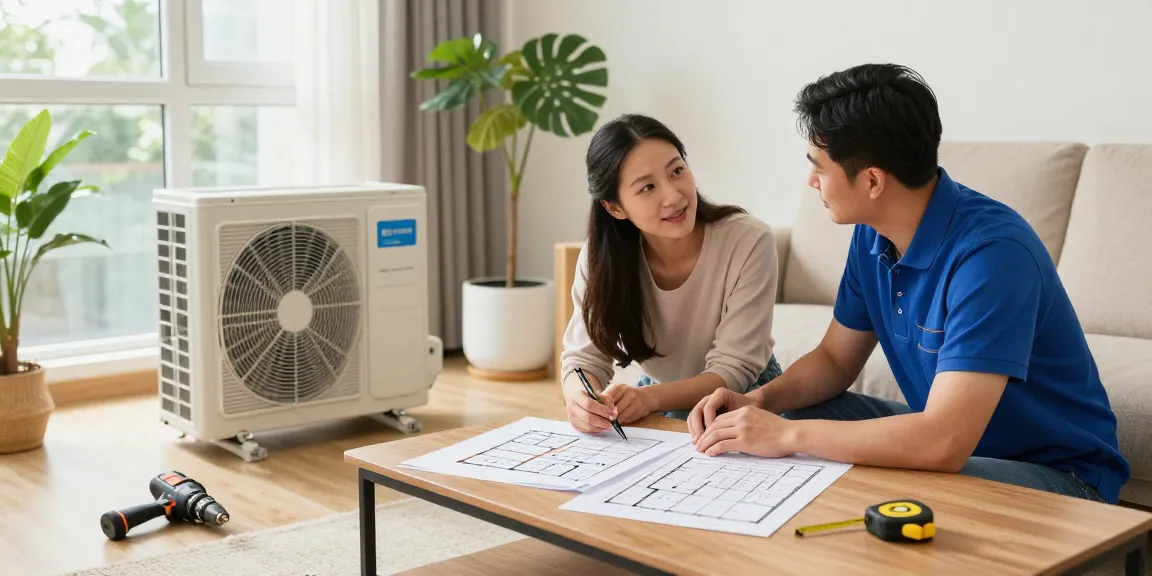
The location of your Wärmepumpe is crucial for its performance. For air-source units, ensure they are placed in an area with unobstructed airflow. Ground-source systems require selected drilling or trenching locations with appropriate soil conditions. Consulting with a professional installer is advisable for optimal placement.
Preparing Your Home for a Wärmepumpe
Your home may need specific modifications to accommodate a Wärmepumpe, such as upgrading ductwork or adding insulation. Ensuring that your home is energy-efficient will maximize the benefits of the Wärmepumpe and enhance its overall performance.
Post-Installation: Setting Up and Testing
Once the installation is complete, your technician will need to test the system to ensure it operates efficiently. This includes checking for leaks, verifying settings, and ensuring that the system is properly calibrated for your home’s heating and cooling needs.
Future Trends in Wärmepump Technology
The Wärmepump industry is continuously evolving, with innovative technologies changing the landscape of energy-efficient heating solutions.
Innovations in Energy Efficiency for 2026
In 2026, advancements in Wärmepump technology are expected to further improve energy efficiency. New refrigerants with lower global warming potentials are being developed, which can enhance performance while reducing environmental impact. Additionally, integrations with renewable energy sources, such as solar panels, will become more prevalent, allowing homeowners to achieve net-zero energy consumption.
Smart Home Integration and Control Systems
Smart technology is becoming increasingly integrated into Wärmepump systems, offering advanced control options for homeowners. This includes mobile apps that allow users to monitor and adjust their heating and cooling from anywhere. Smart thermostats can also optimize energy use based on occupancy patterns, further enhancing efficiency.
Environmental Impact and Sustainability Goals
Wärmepumpen play a vital role in achieving global sustainability goals. By reducing dependency on fossil fuels, these systems contribute to lower greenhouse gas emissions. As regulations become stricter and climate awareness grows, the adoption of Wärmepumpen will likely become more widespread, positioning them as a key player in the transition to sustainable energy solutions.
What are the benefits of a Wärmepumpe?
The benefits of installing a Wärmepumpe encompass both economic and environmental aspects, including:
- Significant energy savings over time
- Reduction in carbon footprint
- Possible eligibility for government incentives
- Versatile heating and cooling capabilities
How much does a Wärmepumpe cost on average?
On average, the cost of a Wärmepumpe ranges from $10,000 to $30,000, depending on the type and installation requirements. While this may seem high, the long-term savings can offset the initial investment.
What factors influence the efficiency of a Wärmepumpe?
Several factors can influence the efficiency of a Wärmepumpe, including:
- The climate and outdoor temperature
- Home insulation quality and energy efficiency
- The type of Wärmepumpe and its specifications
Are there any government rebates for purchasing a Wärmepumpe?
Yes, many governments offer rebates and incentives for purchasing Wärmepumpen to encourage adoption of energy-efficient technologies. Homeowners should research available programs in their area to maximize potential savings.
What maintenance is required for optimal performance?
Regular maintenance for a Wärmepumpe includes checking and replacing air filters, inspecting ductwork, and periodic professional servicing to ensure the system operates efficiently and effectively.